
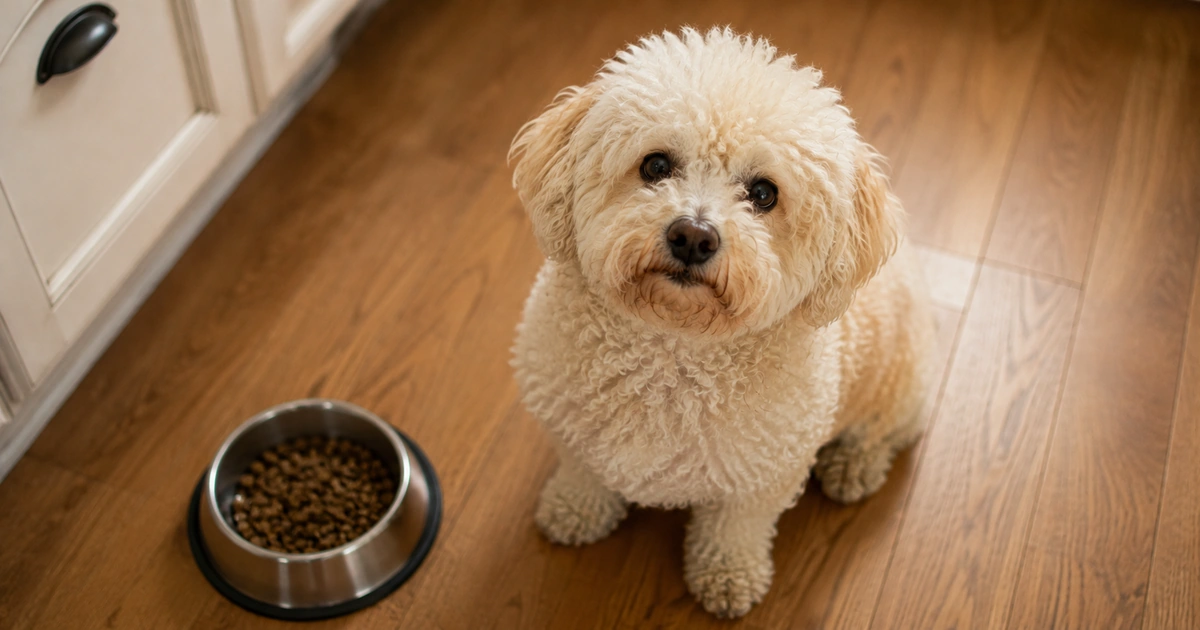
A dog turning down food is one of the more common things owners worry about, and figuring out whether it’s a “wait and watch” situation or a “call the vet now” one comes down to a few key factors.
What’s actually happening when a dog stops eating
Appetite loss (medically called anorexia, though that term just means “not eating” in a veterinary context, not the eating disorder) can stem from something as minor as a mildly upset stomach or as significant as organ dysfunction, pain, dental issues, or infection. The duration and what else is going on alongside it matter far more than the fact that a meal or two was skipped.
Reasonable timelines by situation
- Missing one meal, otherwise acting normal: often not urgent — monitor closely and see if appetite returns at the next meal
- Not eating for 24 hours, still drinking water and acting mostly normal: worth watching closely; if it extends further, time to call your vet
- Not eating for 48–72 hours: generally warrants a vet visit even if your dog seems otherwise okay, since this duration starts to carry real risk, especially for smaller dogs
- Not eating AND not drinking water: a more urgent combination regardless of duration, since dehydration compounds quickly on top of the lack of food
Why puppies and small dogs have a much shorter safe window
Puppies and small-breed dogs, especially toy breeds, have less stored energy reserve and are more prone to a dangerous drop in blood sugar (hypoglycemia) when they go without food — this can happen within just a matter of hours rather than days, and can become a genuine emergency quickly. A puppy that refuses food and seems lethargic or weak needs prompt attention, not a wait-and-see approach.
Common, less alarming reasons for appetite loss
- Mild stomach upset from something they ate, often resolving within a day
- Stress or a change in routine (travel, a new home, a household change) can temporarily suppress appetite
- Hot weather sometimes reduces appetite short-term, similar to reduced appetite in humans during a heat wave
- Picky eating or boredom with the current food, particularly in dogs prone to being selective
Seek prompt vet care if appetite loss is paired with vomiting, diarrhea, lethargy, or pain, if your dog is a puppy, senior, or has an existing health condition, or if it’s been more than 24–48 hours with no improvement, regardless of how your dog otherwise seems.
Frequently asked questions
Should I force-feed my dog if they won’t eat?
Generally no, without veterinary guidance — force-feeding can cause stress, aspiration risk, or mask a symptom your vet needs to see clearly. Offering a highly appealing, vet-approved option (warmed food, a bit of plain chicken) is more appropriate than forcing food.
Can dental pain cause a dog to stop eating?
Yes, this is a common and often overlooked cause, especially if a dog approaches the bowl but then hesitates or eats only on one side of their mouth — a dental exam can rule this in or out if appetite loss is persistent.