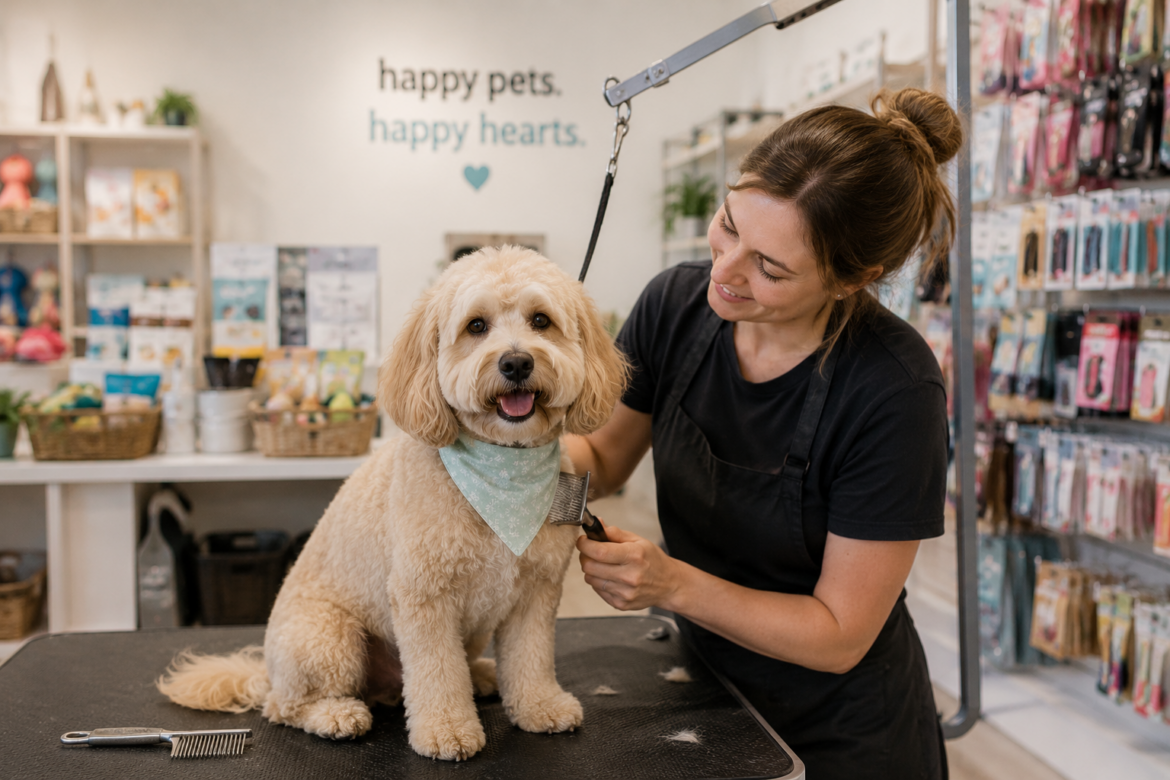
You don’t need a full grooming kit to keep up with the basics at home — a handful of tools cover most of what matters between professional grooming visits or vet checkups. Here’s what’s actually worth having on hand.
Best deshedding brush
Actually reduces shedding versus a standard brush.
FURminator deShedding Tool

Reaches through the topcoat to remove loose undercoat hair without cutting or damaging the topcoat itself, which is the key difference between a real deshedding tool and a standard slicker brush. Most effective on double-coated breeds during seasonal shedding, used a couple times a week rather than daily to avoid over-brushing.
Shop on AmazonBest everyday brush
For the daily brushing a deshedding tool isn’t meant for.
Hertzko Self-Cleaning Slicker Brush

A standard slicker brush is gentler than a deshedding tool and better suited to daily use — it detangles and distributes natural skin oils through the coat without the more aggressive undercoat removal a deshedding tool does. The retractable, self-cleaning bristles make it faster to clear out between brushing sessions, which is the main reason owners stop using a brush regularly in the first place.
Shop on AmazonBest nail grinder
A lower-stress alternative to clippers for nervous dogs.
Dremel 7760-PGK Pet Nail Grinder

A rotary grinder gradually files the nail down rather than cutting it in one motion, which many dogs tolerate better than clippers, and it removes the risk of accidentally clipping the quick (the sensitive blood vessel inside the nail) in one snip. Go slow and let your dog get used to the sound before the first real trim.
Shop on AmazonBest shampoo for sensitive skin
Gentle formula for dogs prone to irritation.
Earthbath Oatmeal & Aloe Shampoo
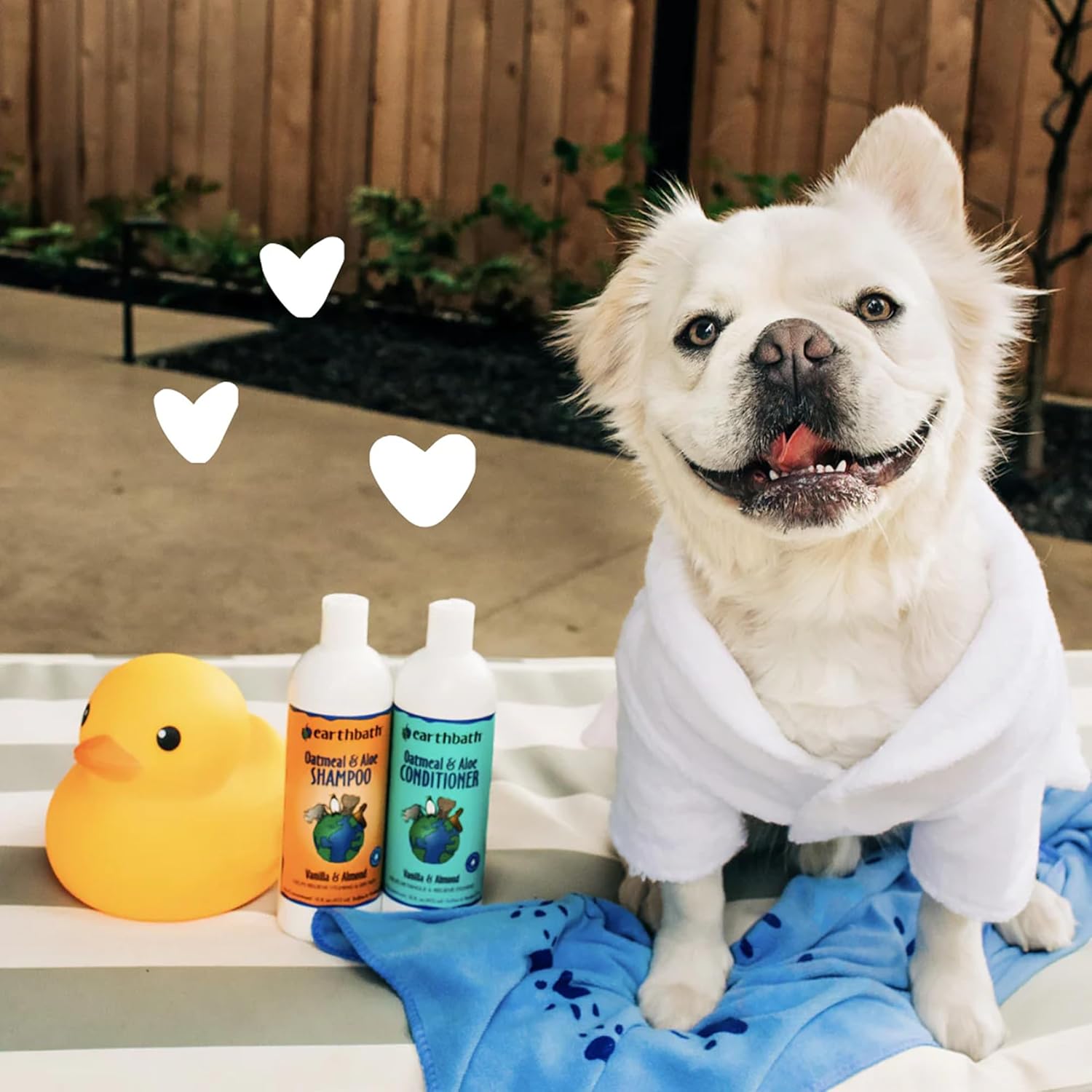
A soap-free, pH-balanced formula built around colloidal oatmeal, which has genuine anti-itch properties, and aloe for additional soothing. A gentler option than a standard scented shampoo for dogs prone to dry skin or mild irritation, without needing a prescription-strength medicated wash.
Shop on AmazonBest ear cleaning solution
Vet-recommended type for routine at-home maintenance.
Zymox Ear Cleanser
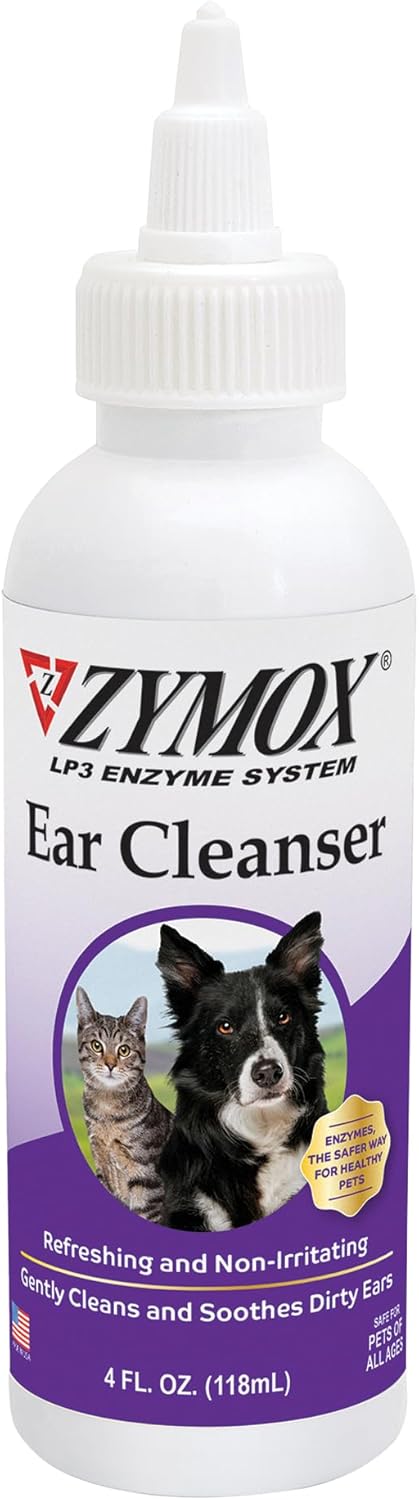
A gentle, enzymatic cleanser suitable for routine maintenance, especially useful for breeds prone to ear infections (floppy-eared breeds, frequent swimmers) covered in our guide to ear infection signs. Routine cleaning is preventive; it’s not a substitute for a vet visit once an active infection is suspected.
Shop on AmazonBest dental care kit
The most-skipped part of home grooming, and one of the most important.
Vetoquinol Enzadent Toothpaste & Toothbrush Kit

Dental disease is one of the most common health issues vets see in adult dogs, and it’s largely preventable with regular brushing. This kit uses an enzymatic, poultry-flavored paste dogs generally tolerate better than a human-style mint paste (which shouldn’t be used on dogs at all), paired with a dual-headed brush sized for different mouth areas. A few times a week is enough to make a real difference over time.
Shop on AmazonFrequently asked questions
How often should I use a deshedding tool?
A couple times a week during shedding season is usually enough — over-brushing with a deshedding tool can irritate the skin, so it’s not meant to replace a regular slicker or bristle brush for everyday coat maintenance.
Is a nail grinder safer than clippers?
Many owners find grinders lower-risk for accidentally hitting the quick since the gradual filing gives more control, though some dogs find the sound and vibration more stressful than a quick clip. It comes down to what your individual dog tolerates better.
How often should I brush my dog’s teeth?
Daily is ideal, but a few times a week still makes a meaningful difference over never brushing at all. Consistency matters more than perfection here — a realistic few-times-a-week habit beats an ambitious daily routine that fizzles out after two weeks.
How often do dog nails actually need trimming?
Most dogs need a trim every 3–4 weeks, though it varies with activity level — dogs that walk regularly on pavement wear their nails down naturally and may need less frequent trims than dogs that are mostly on grass or carpet.
What’s the difference between a deshedding tool and a regular slicker brush?
A deshedding tool reaches into the undercoat to pull out loose hair before it sheds, and is meant for periodic, targeted use. A slicker brush is gentler and better suited to daily detangling and coat maintenance across the topcoat. Most double-coated dogs benefit from having both rather than using one for everything.