
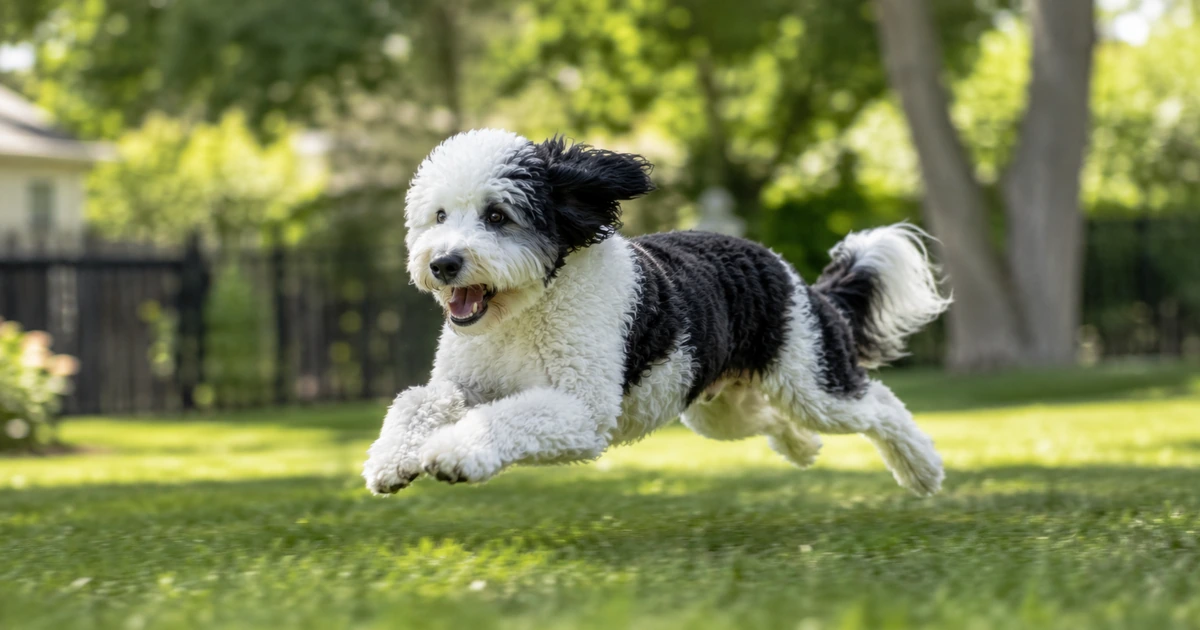
If your dog has ever gone from completely calm to sprinting laps around the living room in about half a second, you’ve witnessed a FRAP — and yes, that’s the real term researchers and trainers actually use for it, which is a little bit delightful on its own.
It’s a genuine energy release valve
Dogs, especially young and high-energy dogs, accumulate physical and nervous energy throughout the day, and a FRAP is one of the more efficient ways to burn a big chunk of it off in a short burst. It’s not random misbehavior — it’s closer to a pressure valve than anything else, and most dogs seem noticeably calmer and more settled once it runs its course.
Common triggers, once you start noticing the pattern
- After a bath: one of the most reliable triggers — likely a mix of relief that the stressful event is over and the physical sensation of being wet and toweled
- Right after waking up: built-up energy from sleep, released the moment they’re up and moving
- After being crated or confined: energy that had nowhere to go while your dog waited
- During or right after play: excitement escalating past a threshold and needing an outlet
- Evening, especially in puppies: often called the “witching hour,” a predictable burst of energy as the day winds down
Puppies get them more, and that’s expected
Younger dogs have more excess energy relative to their exercise needs, less impulse control, and are still developing the self-regulation that comes with maturity — all of which adds up to more frequent and more intense zoomies. Most dogs show fewer, shorter episodes as they get older, though plenty of adult dogs still get the occasional burst, particularly high-energy breeds.
Should you try to stop it?
In most contexts, no — it’s a normal, harmless behavior that’s actually a healthy outlet. The only real consideration is safety: make sure the space is clear of anything your dog could crash into or trip over, and if it’s happening somewhere genuinely unsafe (near stairs, a busy street, breakable items), redirecting to a safer space is more appropriate than trying to suppress the behavior entirely.
Frequently asked questions
Are zoomies a sign my dog needs more exercise?
Frequent, intense zoomies can be a signal that your dog has more built-up energy than their current routine is burning off, especially in high-energy or working breeds. If they’re happening constantly rather than occasionally, increasing daily exercise or mental stimulation is worth trying.
Is it safe to let my dog have zoomies indoors?
Generally yes, as long as the space is reasonably clear of hazards — sharp furniture corners, breakables, stairs. Hardwood or tile floors can be slippery for a dog running at full speed, so a rug runner in high-traffic zoomie zones can help prevent slips.
Do senior dogs still get zoomies?
Less often and less intensely, generally, though many senior dogs still have the occasional burst, particularly after something exciting happens. A dramatic decline compared to their usual pattern, especially paired with stiffness, is more likely related to joint comfort than a loss of enthusiasm.