
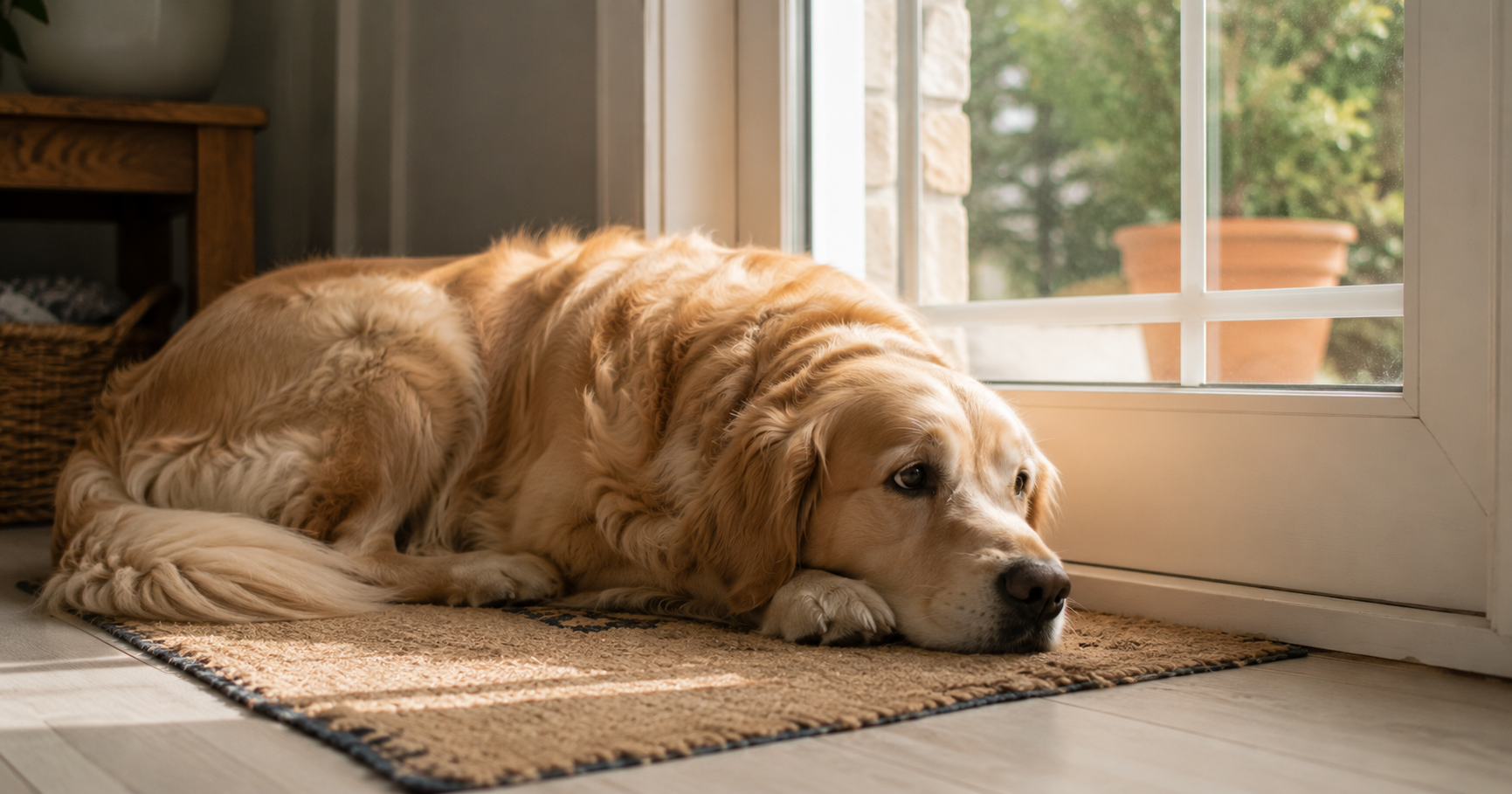
Separation anxiety is one of the more misunderstood dog behavior issues, partly because “my dog hates being alone” covers a spectrum from mild boredom to genuine panic, and the right approach depends on which one you’re actually dealing with.
First, distinguish anxiety from boredom
A bored dog might chew a shoe or bark occasionally but generally settles down and isn’t in genuine distress. A dog with true separation anxiety typically shows signs of real panic: intense pacing, drooling, destructive behavior concentrated at exit points (doors, windows), house-training accidents despite being trained, or vocalizing that sounds distressed rather than just bored. If you’re not sure which you’re seeing, a short test recording of your dog while you’re out (many pet cameras or even a phone left recording can work) can clarify a lot.
The core method: gradual desensitization
1. Practice pre-departure cues without leaving
Pick up your keys, put on your shoes — the cues that normally signal you’re leaving — and then don’t leave. Repeat this regularly so those cues stop predicting distress on their own, separate from the actual departure.
2. Start with genuinely tiny absences
Step outside the door for literally a few seconds, then return calmly, with no big greeting (which can actually heighten the emotional intensity around comings and goings). Gradually increase the duration only as your dog shows they’re comfortable at the current length, not on a fixed schedule.
3. Build duration slowly, over days and weeks
This is genuinely slow work — going from seconds to minutes to eventually longer stretches, watching for signs of stress at each new duration before increasing further. Progressing too fast is one of the most common reasons this approach seems to “not work” when it just needed more time at each step.
4. Keep departures and returns low-key
Avoid dramatic goodbyes or excited hellos — both can inadvertently signal that your leaving and returning are significant, emotionally charged events, which works against the calm, unremarkable feeling you’re trying to build around your absence.
Supporting tools, not replacements for the training
- A safe, comfortable space (crate if your dog finds it calming, or a specific room) can help, though it needs to already have positive associations, not be introduced as part of the anxiety-provoking absence itself
- Puzzle feeders or long-lasting chews given right before you leave can help create a positive association with your departure, for dogs whose anxiety is mild enough that distraction genuinely helps
- Background noise (a TV, white noise) can mask outside sounds that might otherwise trigger reactivity while alone
Frequently asked questions
Will getting a second dog help with separation anxiety?
Not usually — true separation anxiety is generally about distress from being separated from a specific person, not simply being alone, so another dog often doesn’t resolve it and can sometimes complicate the desensitization process further.
How long does separation anxiety training take?
It varies significantly by severity, from a few weeks for mild cases to several months for more severe ones, and progress isn’t always linear — setbacks during the process are common and don’t mean the approach has failed.