
This is one of the more genuinely tricky windows in puppy ownership — the behavioral science says socialize early and often, but the medical guidance says wait for full vaccination, and those two timelines don’t fully overlap.
Why the early window matters so much behaviorally
The period between roughly 3 and 14 weeks is considered the primary socialization window, when puppies are most receptive to forming positive associations with new people, animals, sounds, surfaces, and experiences. Puppies that miss substantial socialization during this window are statistically more likely to develop fear or reactivity issues later, which is exactly why trainers push hard for early exposure — but this window largely precedes full vaccination, which typically completes around 16 weeks.
What veterinary guidance actually says
Many vets and veterinary behavior organizations now recommend beginning socialization before the vaccine series is fully complete, as long as it’s done through lower-risk channels, because the behavioral cost of under-socializing is considered by many professionals to outweigh the infection risk when exposure is managed carefully. This is a shift from older, more cautious guidance, and it reflects a genuine, evolving balance of risks rather than a dismissal of infection concerns.
Lower-risk ways to socialize during this window
- Puppy classes specifically designed for partially vaccinated puppies, often held in a controlled, sanitized indoor space with other vaccinated, health-screened puppies — many trainers and vets recommend these specifically because the risk is managed
- Visits with known, fully vaccinated adult dogs (friends’ or family’s dogs with a confirmed vaccination history) in a private home or yard rather than a public space
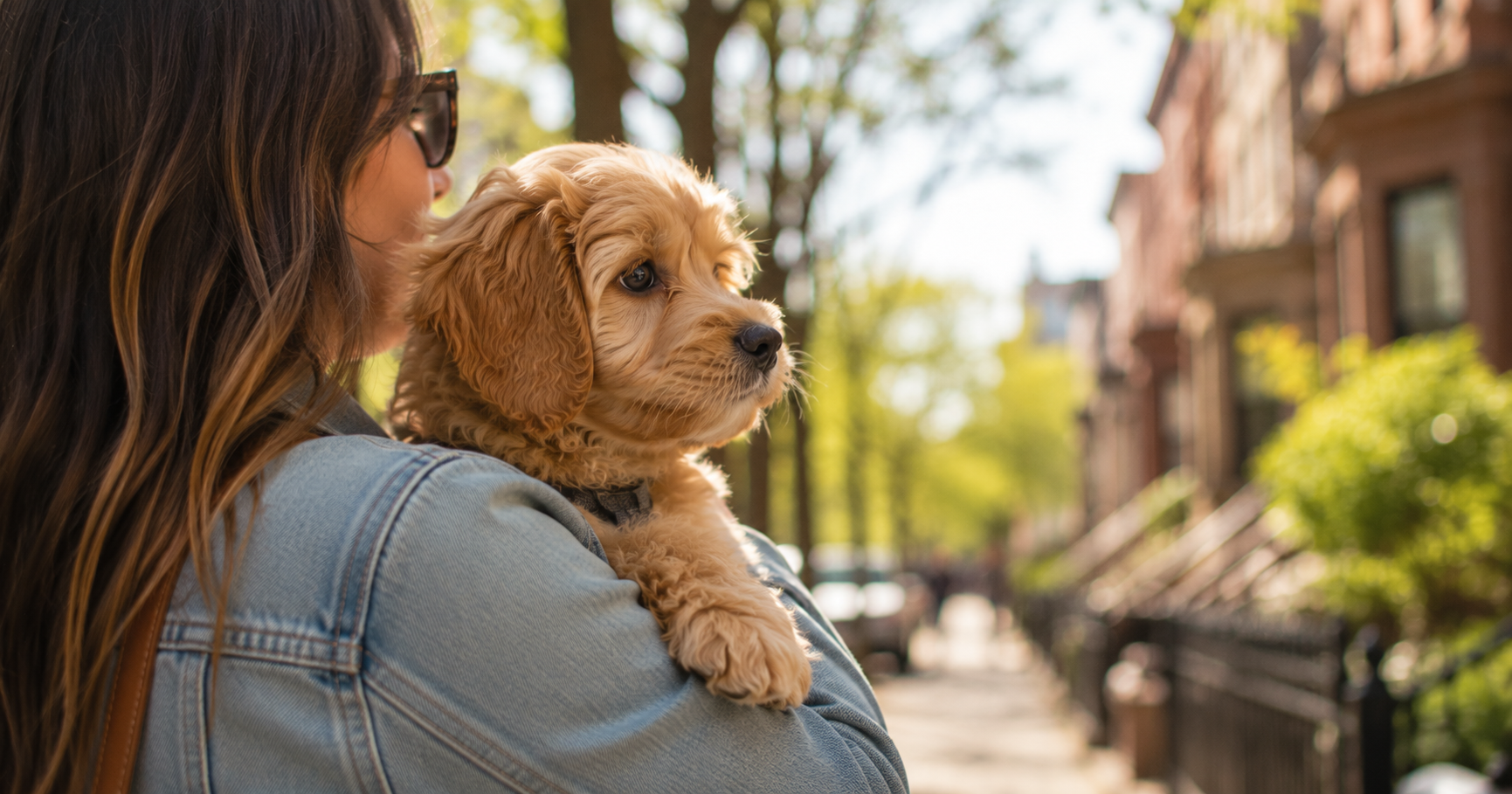
- Carrying your puppy in public (a carrier, or simply held) to expose them to sights, sounds, and new people without direct ground contact in high-traffic areas
- Car rides to new environments, even without getting out, to build comfort with novelty and motion
- Controlled exposure to new sounds, surfaces, and objects at home — different flooring, vacuum noise, doorbells — costs nothing risk-wise and covers real socialization ground
What to avoid until fully vaccinated
Dog parks, pet store floors, and areas with unknown dogs of unknown vaccination status carry a real risk, particularly for diseases like parvovirus, which can be severe or fatal in unvaccinated puppies and can persist in the environment. This isn’t about being overly cautious — it’s a genuinely serious risk specific to this age group, which is why the “controlled exposure” approach exists as a middle path rather than either extreme.
Frequently asked questions
Is it too late to socialize my puppy if they’re already past 14 weeks?
The window isn’t a hard cutoff — socialization is most impactful early, but continued positive exposure remains valuable well beyond 14 weeks, and it’s never truly “too late” to keep building positive associations, even if the process may take somewhat more patience.
How many new experiences should a puppy have per week during this window?
There’s no strict number, but the general guidance from trainers is regular, varied, low-stress positive exposures rather than either none or an overwhelming flood in a single day — quality and a calm, positive association matter more than a specific quantity.