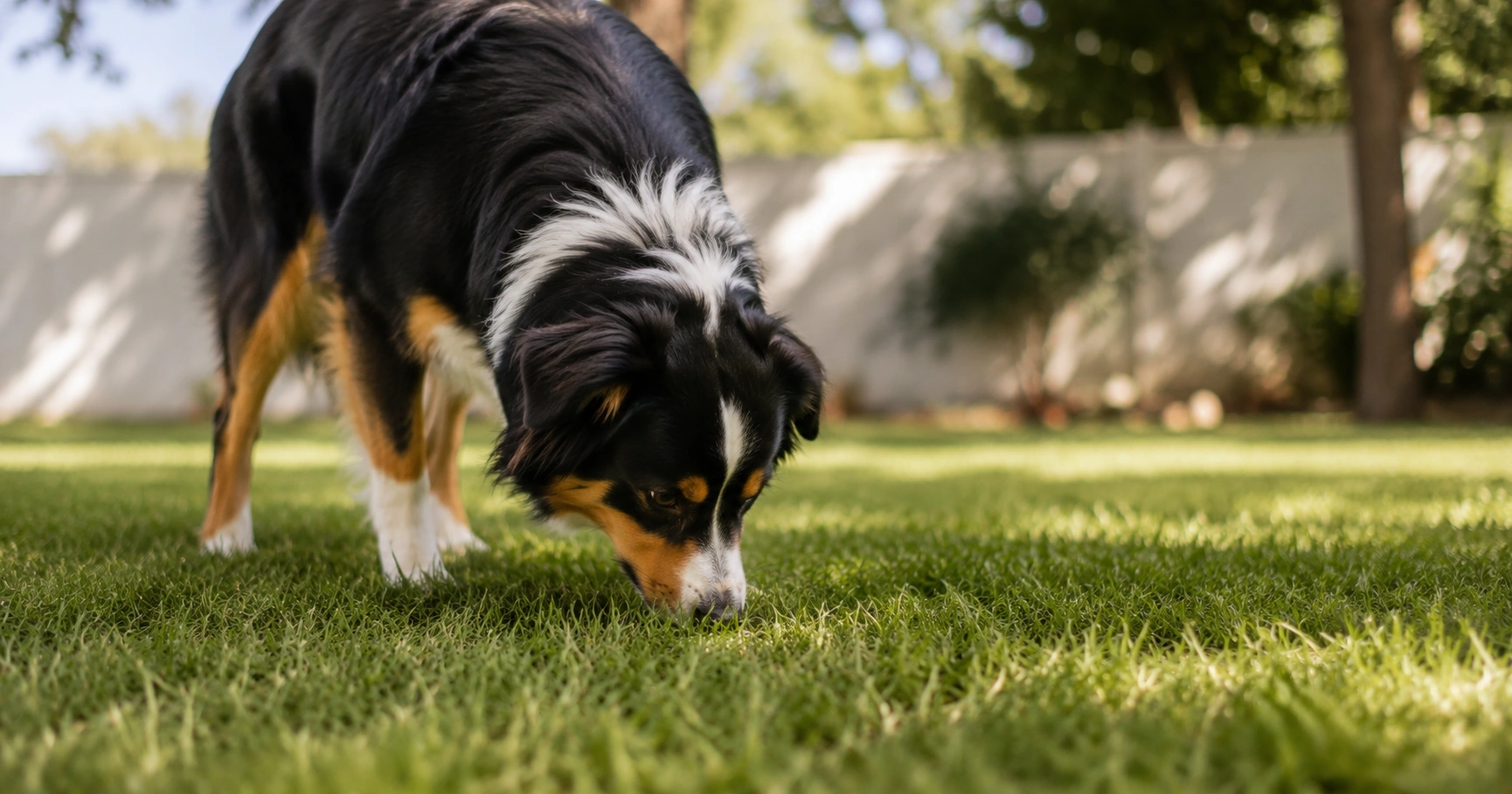
Coprophagia is one of the more universally unpopular dog behaviors, but it’s also one of the most common — large surveys of dog owners consistently find that a meaningful percentage of dogs engage in it at least occasionally, which suggests it’s within the range of normal (if gross) canine behavior rather than a rare abnormality.
It can be rooted in instinct
Mother dogs instinctively clean up after their puppies, including consuming their waste, both for den hygiene and to reduce the scent trail that could attract predators to a vulnerable litter. Puppies also sometimes investigate and mouth everything in their environment, including feces, simply as part of normal exploratory behavior. Some of this instinct can carry into adulthood, especially in dogs that were never firmly redirected away from it as puppies.
The nutrient-deficiency theory is mostly overstated
A common belief is that dogs eat poop because they’re missing something in their diet — digestive enzymes, specific nutrients — and are trying to “recapture” it. While this can theoretically play a role in rare cases involving a genuine malabsorption issue or an underlying digestive condition, most dogs that eat poop are otherwise healthy and eating a complete, balanced diet. It’s a popular explanation more because it’s intuitive than because it’s well-supported for the average case.
More common behavioral reasons
- Boredom or under-stimulation: a dog left alone in a yard for long stretches with little to do may start investigating (and eating) whatever’s available
- Attention-seeking: if a dog has learned that eating poop gets an immediate, dramatic reaction from you, that reaction — even negative — can reinforce the behavior
- Anxiety, especially around punishment history: dogs that have been harshly punished for house-training accidents sometimes learn to eat the evidence to avoid a negative reaction, which is a genuinely counterproductive side effect of punitive housetraining
- Simple opportunism: some dogs will eat almost anything they find on a walk, and stool is just one more thing in that category for certain individual dogs
- Eating a cat’s litter box waste: a very common specific version of this, often driven by the higher protein content of cat food showing up in cat feces, which some dogs find appealing
How to actually reduce it
Punishment after the fact doesn’t work well for this behavior — by the time you catch your dog, the connection between the correction and the act is already lost, and it can backfire into the anxiety-driven version above. What tends to work better: cleaning up your yard promptly so there’s less opportunity, keeping your dog on a leash or under closer supervision during walks and yard time, teaching and rewarding a solid “leave it” cue, ensuring your dog is getting enough physical and mental stimulation, and making a cat’s litter box inaccessible if that’s the specific trigger.
Frequently asked questions
Is eating poop dangerous for dogs?
It’s unpleasant but generally not acutely dangerous for a healthy dog with up-to-date parasite prevention. The main risk is exposure to intestinal parasites or, less commonly, bacteria, particularly if the stool is from an unfamiliar animal.
Do puppies grow out of eating poop?
Many do, especially if it’s redirected consistently and isn’t reinforced by attention. Some dogs continue the behavior into adulthood if it becomes a habit, which is why early, calm redirection tends to work better than waiting for it to resolve on its own.
Will changing my dog’s food stop them from eating poop?
It can help in the rare cases where a genuine digestive or absorption issue is the driver, but for most dogs it’s a behavioral habit that diet changes alone won’t fix. A vet visit can help rule out a medical cause before you spend money on specialty food marketed to solve it.